
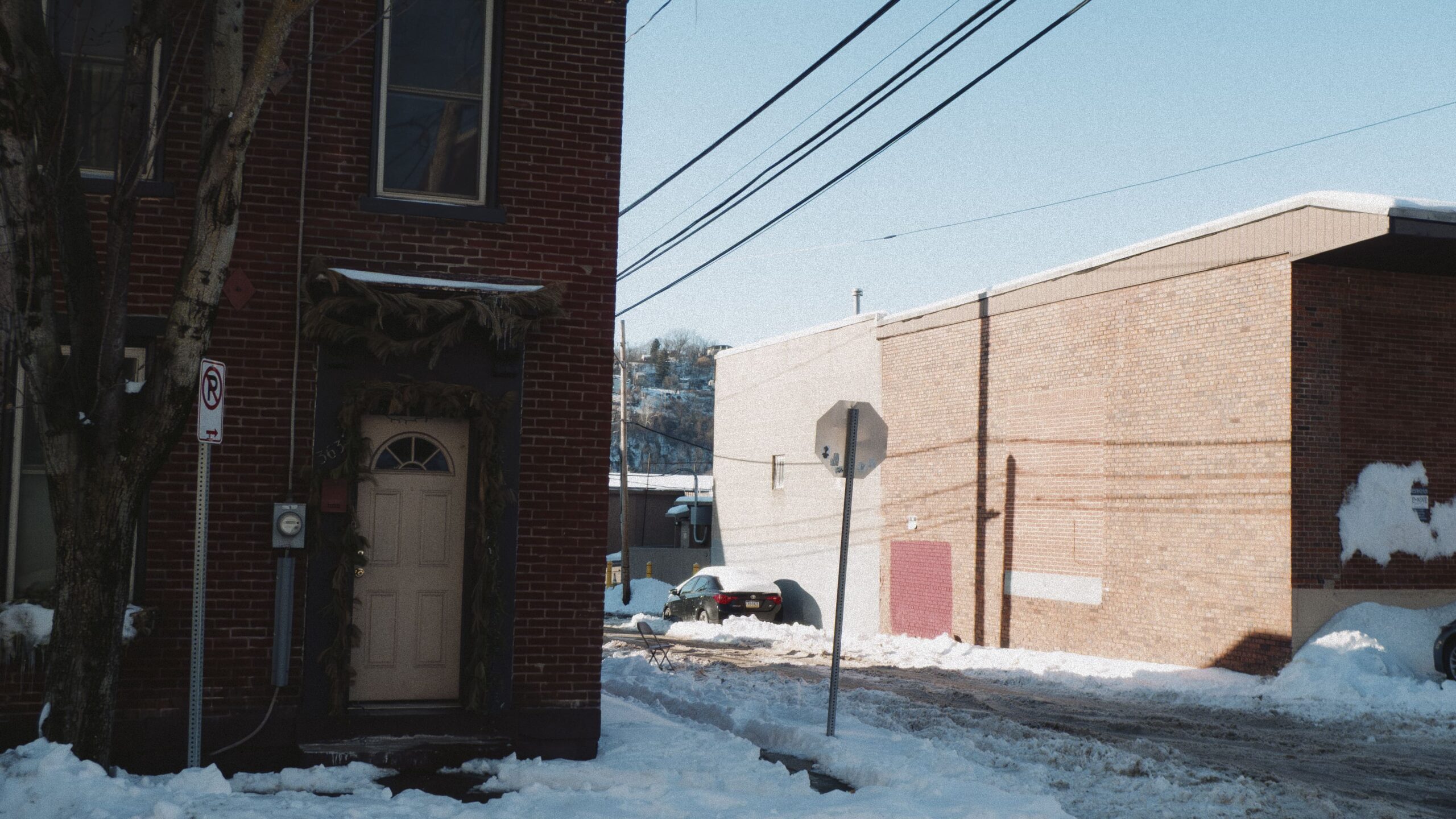
I wanted a camera that was truly pocketable. Not a camera I'd use as a main camera on trips or projects, or walks where photography was a priority. This was for when I walk the dog in the morning, or when my wife and I head out for coffee around the neighborhood, something I could (literally) pocket and not have to carry around in a sling bag.
The thing is, there hasn't been much on the market like that for a while. The tiny Ricoh GRs and Sony RX100s are both options, but both are prohibitively expensive for my use case given this wasn’t a camera for “serious” photography. That said, I did buy a GR IIIx first and then returned it, because spending that on a camera for walking the dog didn't add up however I tried to justify it. Really cool camera, but wrong price for me.
So if you want pocketable and affordable at the same time, you need to go back in time, and not by a couple of years either. The cameras that genuinely filled this gap were made somewhere between 2006 and 2012, back when several companies were competing over a space that smartphones hadn’t made antiquated.
I had been aware of the Gen Z craze of digging their parents' point-and-shoots out of drawers, and capturing Y2K photos for a while, but had written off that entire movement as wanting to get that gnarly, low pixel with flash look that isn’t something I particularly wanted to relive. The more I searched though, the more I came across plenty of these older cameras that people swear carry a certain magic due to their sensor and could get you a film-like rendering and some beautiful, soft images.
After convincing myself this was a low stakes solution, I managed to find a deal on a Panasonic Lumix LX3 which had previously sat in a drawer for the last 15 years.
The Panasonic Lumix LX3’s glory days
The LX3 came out in late 2008 at around $500, which back then bought you a premium camera. This is what the enthusiasts carried when they wanted decent image quality in something small, years before phones and mirrorless cameras jointly filled that gap in the market.
Panasonic Lumix LX3 specs:
- 10.1MP 1/1.63in CCD sensor
- 24 to 60mm equivalent f/2.0 to f/2.8 Leica DC Vario-Summicron
- Native 3:2 sensor, with the aspect ratio switch on the lens barrel
- Hot shoe, manual modes, RAW
- 265g, 109 x 60 x 27mm
That f/2 at the wide end is pretty insane for a compact, and it's a good part of why I chose this camera.
Photos taken with the Panasonic Lumix LX3
Heavy snow in Pittsburgh, PA


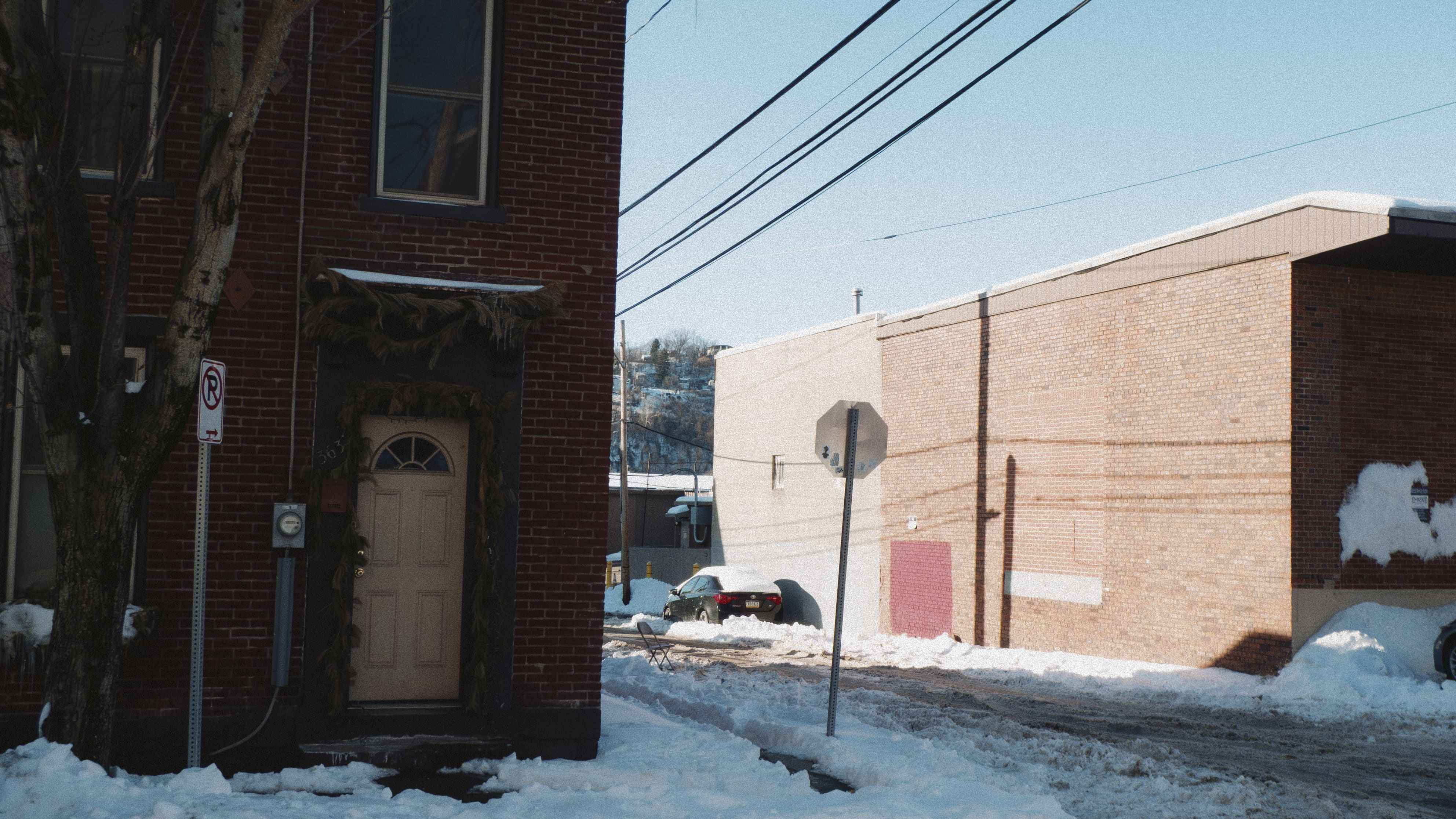





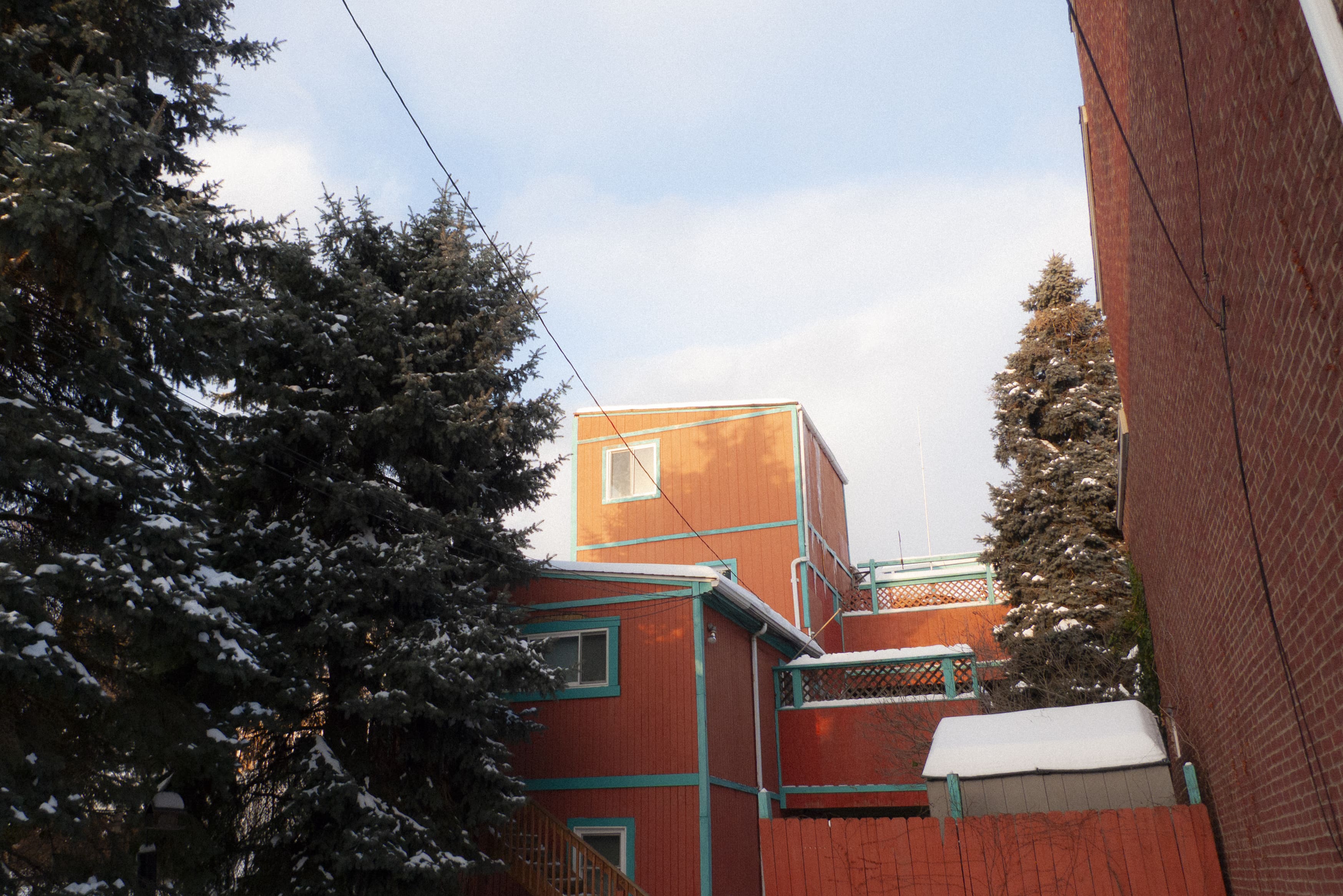







Does the Panasonic Lumix LX3 have a film-like quality?
First, what does film-like even mean? To me, it means highlights that roll off smoothly, pleasing grain, and something less clinical than a typical digital camera.
The LX3 possesses a CCD sensor, which pre-dates the modern CMOS sensors you'll find in every camera and phone today. The vintage digital camera subreddits and forums insist that cameras with these sensors have a magical, film-like rendering that feels more organic and analog than modern files, and that belief is now moving real money, with some used prices for 2000s compacts costing nearly as much as they did when they were first released.
Something I’d heard a few times during my research was that the engineering decisions behind early CCD cameras were intentionally aimed at satisfying photographers accustomed to film. My guess is some of that might be true, especially as Kodak did in fact manufacture some of the earliest CCD sensors.
Now, do I see this magical film quality? I don't know if I'd call it film, but there's certainly something less clinical and more organic. The small dynamic range and the way the highlights roll off definitely plays differently to a modern camera.
I think it's worth being honest that a lot of what reads as character here is really just technical limitation. Because the dynamic range is small, ISO past 400 falls apart, the processing is from 2008, and it turns out that these constraints have been tuned to be quite flattering. I’ve also noticed that when uploading RAWs into Lightroom, the files are already vivid and saturated moreso than modern RAW files which start out more as a blank slate.
None of that makes this less worth having though. It might not be a magic making endless film machine, but if a vintage feel is what you're going for, it’s certainly produces effortlessly nostalgic, dreamy looking photos that hold up by today’s standards.
Panasonic Lumix LX3 handling and controls
Regardless of whether we can truly say the LX3 is film-like, one thing is true, the experience of using this camera is by no means modern, and that's the part the phone can't touch.
I actually love the feeling of using this as a point and shoot. Half press your focus, recompose your shot and snap away. No more than that, because trying to do anything remotely clever on this thing will start to piss you off. The autofocus hunts in anything dim, the write times are slow, and the screen is very much a 2008 screen. You stop negotiating with the camera and just take photographs instead.
If you are looking for an alternative to shooting film that doesn’t burn a hole in your pocket, the LX3 will provide an experience from a slower, more intentional era, albeit not entirely film.
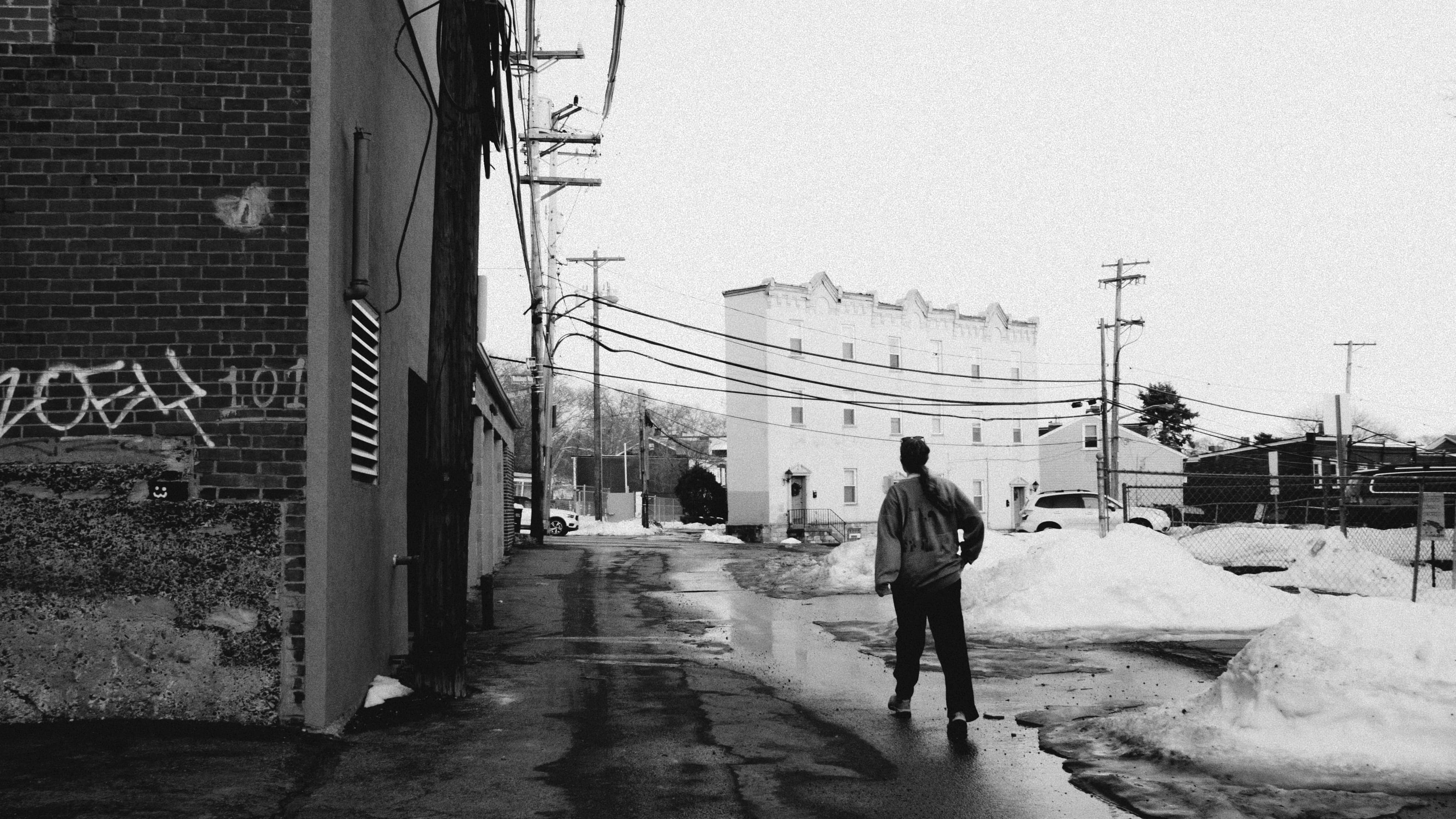

A quick trip to London
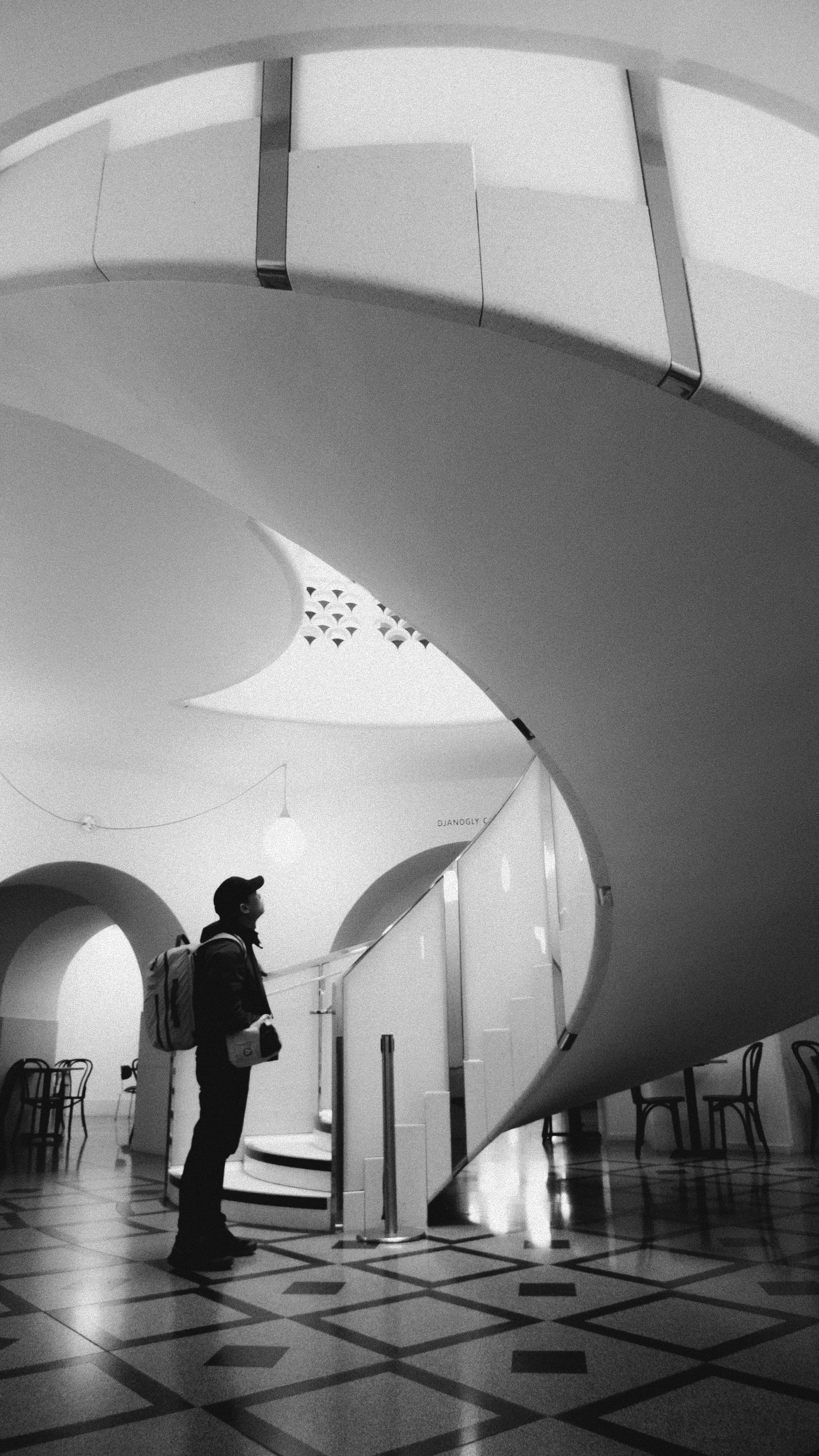
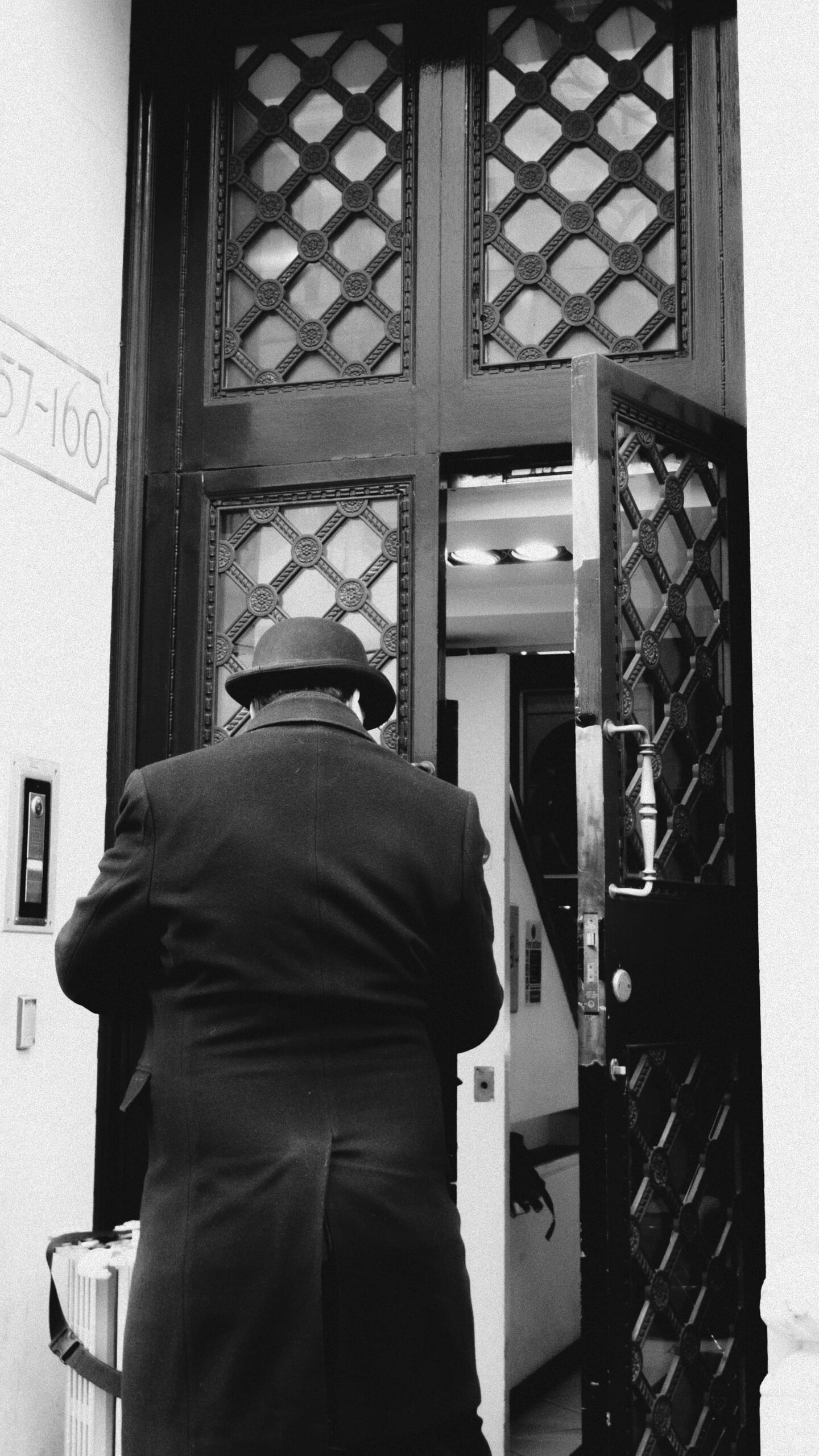
The case for a camera like this isn't image quality so much as having it on you. As I’d mentioned, the original use for this was taking it with me around the neighborhood. But, it did end up going further than anticipated, as I took it on a flying trip to London to see family, mostly because it weighs nothing and bringing it required no thought at all. There wasn't much time for photography, and I wouldn't have leaned on it if there had been, but what surprised me was how much I enjoyed simply having it on me. No bag, no lens choices, and no nagging sense that I owed the camera some pictures.

The verdict on the Panasonic Lumix LX3
Shooting with the LX3 is a perfect reminder that photography isn't about specs and having the latest and greatest. Forget megapixels, autofocus, sensor size, and $1500 lenses for a second, and just enjoy using a tool that strips you back to the basics of taking photographs, having fun, and seeing the world around you.
No Comments.